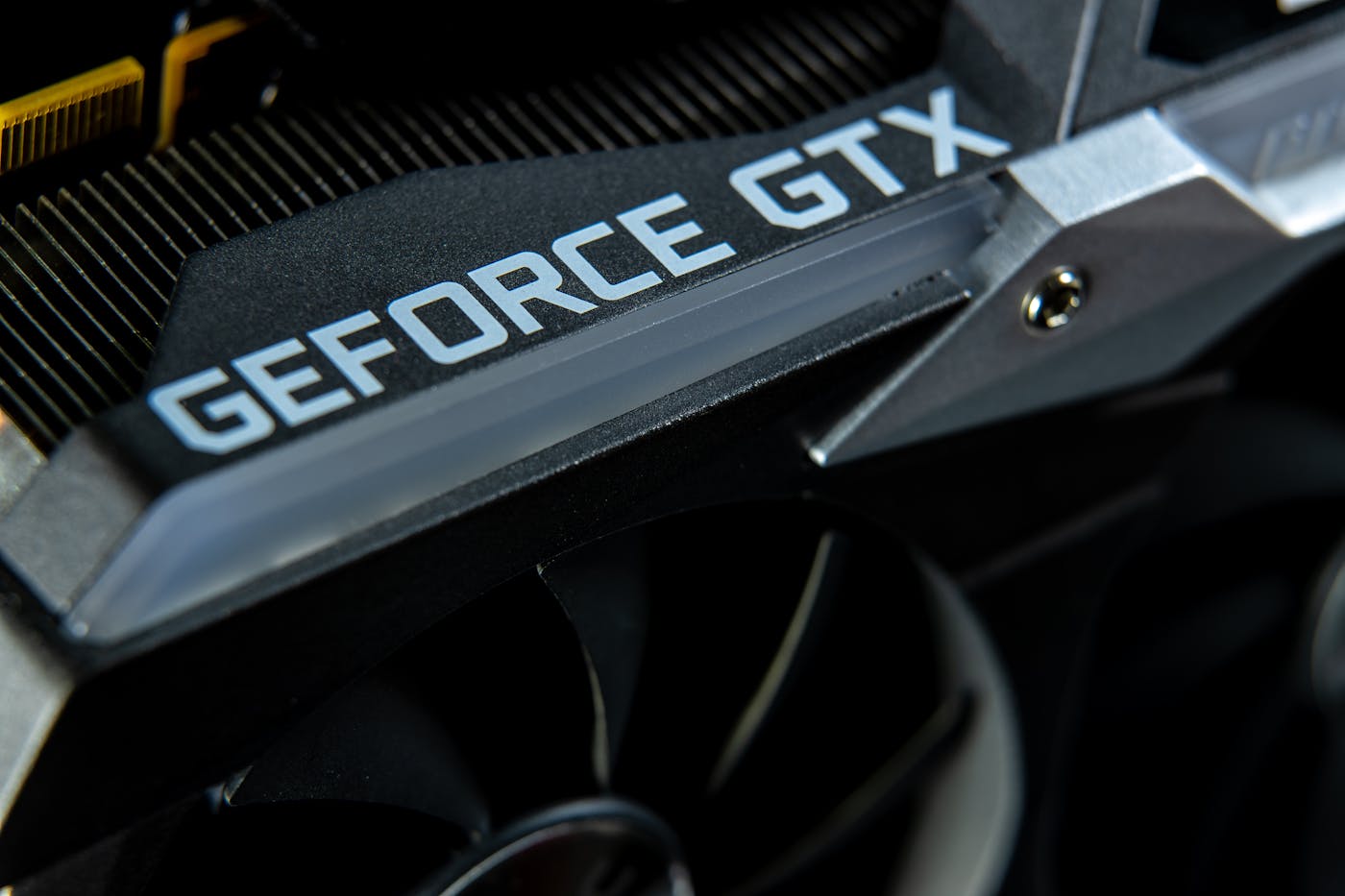
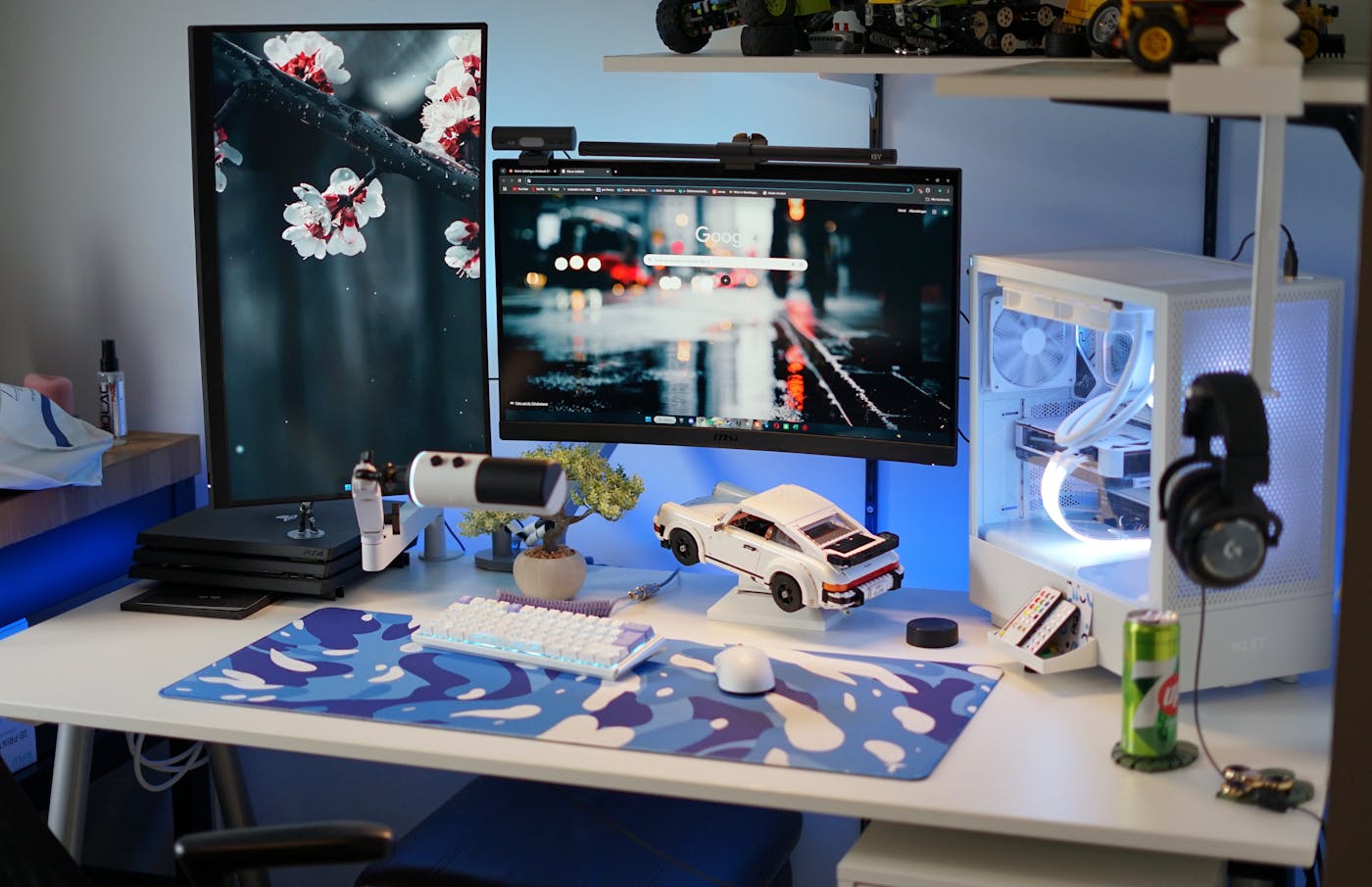
- For 1440p, prioritize consistent FPS and strong lows over peak benchmark numbers.
- VRAM matters more as you increase texture settings and play newer titles.
- Check PSU quality and connectors before upgrading—many “GPU issues” are power issues.
- Thermals and airflow can limit performance even with a strong GPU.
Why 1440p is the “sweet spot” (and why your GPU matters more here)
1440p is popular because it is a visible jump in sharpness over 1080p without the steep performance cost of 4K. But that also makes it the resolution where buyers make the most expensive mistakes: overspending for peak FPS that they will not notice, or underspending and ending up with unstable frame pacing in modern games.
The goal for most people is simple: a smooth experience at the settings you enjoy. That usually comes down to three practical variables—your game mix, your monitor (refresh rate), and how much you care about textures and ray tracing.
Best picks by budget
These are tier-based recommendations for layout purposes. Replace with real products once your database is connected. The content is written in a way that fits affiliate posts later (short, decision-friendly blocks).
How to choose (buyer checklist)
If you only read one section, read this one. It prevents the most common “wrong GPU” purchases.
1) Start with your monitor, not your GPU
A 1440p 60–75Hz monitor needs a different GPU tier than a 1440p 165Hz monitor. If your display cannot show high refresh, you are often paying for performance you cannot see.
2) Decide whether you care about textures and VRAM-heavy games
Many modern games use more VRAM as you increase texture settings. If you like high textures and do not want to reduce them later, VRAM headroom becomes more valuable (especially for newer titles).
3) Separate “average FPS” from “smoothness”
Buyers often chase average FPS numbers. In practice, smoothness comes from better lows and stable frame times. A GPU that feels smoother can be “better” even if the average FPS is similar.
4) Do a fast system compatibility audit
- PSU wattage and quality tier
- Correct connectors available
- Stable rails (avoid cheap units)
- Case airflow and dust filters
- GPU cooler quality (dual vs triple fan)
- Room temperature matters
Features that matter for buyers (and what is often just noise)
This section is intentionally long because it improves topical depth and gives you strong internal-link opportunities later.
- Marketing names that do not map to measurable improvements.
- Single synthetic benchmarks as the “only” decision factor.
- Extreme overclock claims—most buyers will not run them daily.
How we evaluate picks
This is a trust-building section that also helps SEO via clear topical signals.
Quick comparison table
Example layout you can later populate from your database.
| Tier | Best for | What you gain | What to watch |
|---|---|---|---|
| Budget Value | 1440p with optimized settings | Best price-to-performance | VRAM/feature trade-offs |
| Balanced | High settings 1440p | Smoother lows and headroom | Power + cooling requirements |
| High-End | High refresh 1440p | Max settings with stronger stability | Cost and diminishing returns |
Before you buy (5-minute checklist)
These checks prevent the most common upgrade problems.
- Confirm PSU quality + wattage (not just the number on the label).
- Check connectors required by the GPU (and your PSU cable availability).
- Measure case clearance for GPU length/height and confirm airflow.
- Match your monitor (1440p + refresh rate) to the performance tier you buy.
- Set expectations: aim for stable, smooth play—optimize settings when needed.
FAQ
Conclusion
For 1440p, the best buyer outcome is not “the highest benchmark.” It is stable FPS, strong lows, and enough headroom to keep your settings where you enjoy them. Pick a tier that fits your monitor and your games, verify power and airflow, and you will avoid most upgrade disappointments.
About the author

Related posts
More reading that supports purchase decisions.